Paid non-consumer promotion: Associate links for the goods in this web page are from companions that compensate us (see our advertiser disclosure with our listing of partners for extra details). However, our evaluations are our personal. See how we fee making an investment products to write impartial product evaluations.
Altcoin is brief for “alternative coin” and is an alternative cryptocurrency to Bitcoin.
Altcoins improve on the issues and boundaries of Bitcoin, operating on distinct era and use cases.
Altcoins are surprisingly speculative investments characterized by means of their volatility.
Altcoin is a cryptocurrency alternative to Bitcoin that makes use of the identical decentralized peer-to-peer (P2P) fee network. Its call is a portmanteau of “opportunity” and “coin.” considering the fact that Bitcoin is widely seemed because the first of its kind, new cryptocurrencies are taken into consideration alternatives.
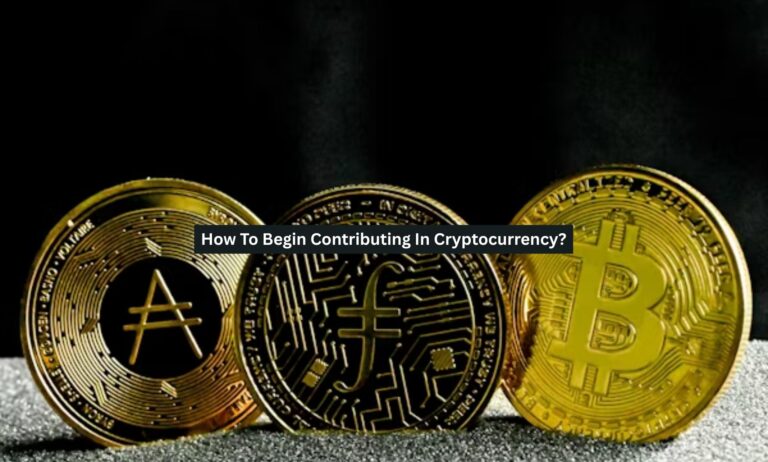
Like Bitcoin, altcoins are a form of decentralized virtual currency created and traded at the blockchain and available through the first-class cryptocurrency exchanges. Many altcoins, like Litecoin, have emerged to improve on Bitcoin’s flaws and boundaries or to obtain an alternative purpose.
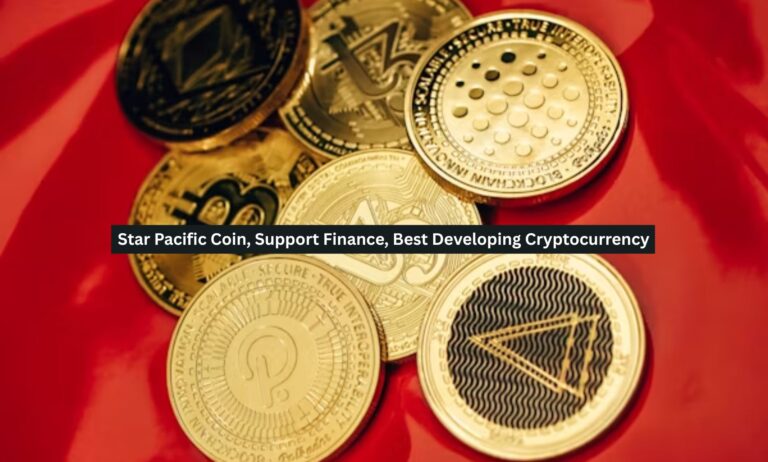
Greater than 14,000 altcoins are now on the market with diverse functions, like elevated transaction velocity, decrease buying and selling expenses, more environmentally pleasant verification tactics, and stepped forward accessibility and storage skills.
Why Do Altcoins Exist?
Altcoins emerged as an try to reinvent Bitcoin and improve upon its present code and buying and selling era. Alternative coins — or altcoins — emerged round 2011, with the primary generation formed using the same blockchain engine as Bitcoin.
Namecoin, the primary altcoin and Bitcoin fork, turned into released in April 2011. It’s far based on Bitcoin’s code and designed to be a decentralized area name gadget (DNS) to enhance the system for establishing ownership of domains on the net with blockchain era.
Namecoin is integral to the history of altcoins, showing there may be enough room in the crypto markets for multiple sort of coin. These days, blockchains can run masses of “altcoins,” fueling similar forex projects with unique policies and mechanisms.
Types Of Altcoins
Let’s explore exceptional kinds of altcoins.
Stablecoins
Those styles of altcoins are a new subset of the crypto market that’s supposed to reduce volatility. Via design, they may be digital assets with value pegged to fiat and physical property (off-chain) and crypto collateral (on-chain). Algorithmic stablecoins are not backed by means of on-chain or off-chain property but are governed by using a clever contract at their core.
Examples of stablecoins include USD Coin (USDC), Gemini greenback (GUSD), and Tether (USDT).
Mining-Based Coins
Mining-based totally coins are altcoins created and established the usage of the evidence of work (PoW) consensus mechanism, like Bitcoin. Miners solve complex cryptographic puzzles to add new blocks to the blockchain and earn rewards.
The PoW consensus mechanism drives opposition for faster and more effective computational processing energy. The quicker a miner’s computer can complete the method, the better their odds of triumphing a block praise. However, these advanced computers require a tremendous amount of high priced and extraordinarily environmentally detrimental electricity.
Examples of mining-based totally cash consist of Litecoin (LTC), Ethereum conventional (and so forth), and Dogecoin (DOGE).
Staking-Based Coins
Altcoins that use a evidence-of-stake (PoS) consensus mechanism. PoS calls for traders to maintain price range in a cryptocurrency pockets in change for rewards through the years. Whilst investors pick out to stake their holdings, the community can use them to forge new blocks at the blockchain.
Staking is also extra power-green than Bitcoin mining. Therefore, staking-based cash are extra environmentally friendly and affordable than cash mined the usage of a PoW mechanism.
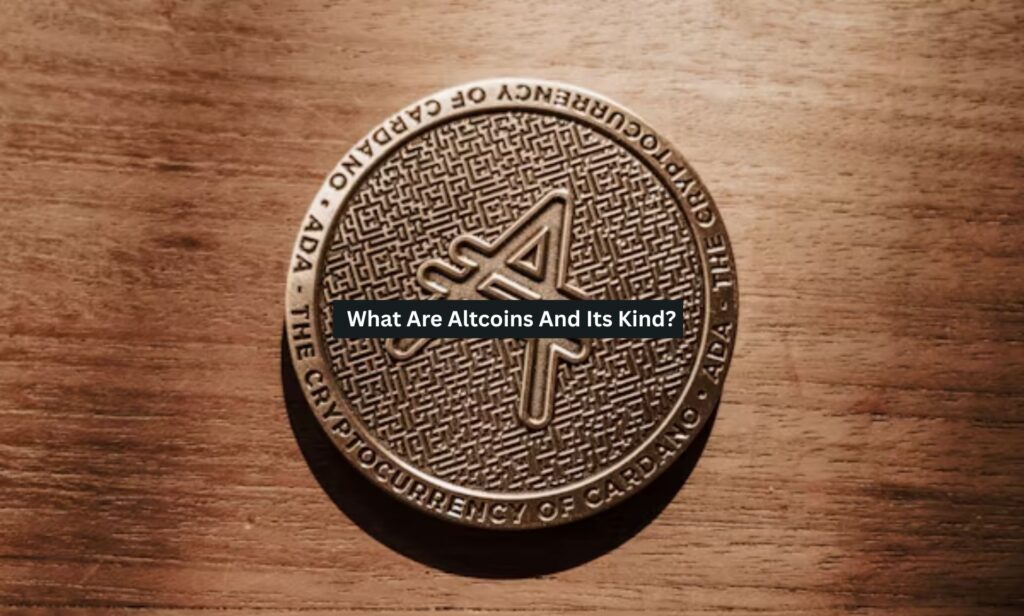
Examples of stake-primarily based coins include Cardano (ADA) and Solana (SOL).
Governance Tokens
Governance tokens give token holders balloting rights on sure selections affecting a blockchain assignment and protocols, along with including new features, changing rules, structural adjustments, and price adjustments.
These tokens goal to ensure that network individuals have a fair distribution of power over the community’s destiny as opposed to relying on a centralized authority. Governance tokens also encourage investors to be lively members and facilitate lengthy-time period engagement.
Examples of governance tokens consist of Uniswap (UNI), Maker (MKR), and Aave (AAVE).
Utility Tokens
Utility tokens aren’t pegged to any forex or tangible price. As a substitute, software tokens act as vouchers for getting goods or services inside the blockchain surroundings. Utility tokens are usually presented to investors who participate in the early degrees of a coin’s initial providing.
Examples of utility tokens include Filecoin (FIL) and fundamental attention Token (BAT).
Security Tokens
Those varieties of altcoins are virtual or liquid assets representing an ownership stake in a tangible asset. Stored on a distributed ledger, security tokens are the blockchain equivalent to shares, but they also can represent a stake in an asset like IP or belongings.
Examples of safety tokens include Polymath (STO), WeWork, and RealBlocks.
Key Variations Between Altcoins And Bitcoin
Altcoins have superb key variations from Bitcoin, like:
Purpose: Bitcoin’s primary goal is to be a shop of cost and a medium of alternate. Whilst some altcoins have a similar objective, many cash and tokens have greater unique use instances. Governance tokens, for example, offer members with voting power on blockchain initiatives.
Era: Altcoins use many specific technology and tactics than Bitcoin, including proof-of-stake or evidence-of-work consensus mechanisms, more advantageous privateness features, decreased expenses, and quicker transaction speeds.
Marketplace Capitalization: Altcoins have varying deliver, demand, marketplace caps, and liquidity.
Comparing Altcoins
Altcoins are fantastically speculative and risky investments. Buying and selling primarily based on rumors is exactly what the specialists propose against.
“Before plunking down difficult-earned money, you want to do the research,” says Shone Anstey, CEO of LQwD. “Who’s the team behind it, particularly on the engineering aspect? What trouble are they solving? And who’re the economic backers?”
Those interested in adding altcoins to an current, various portfolio can examine altcoins based on the following standards.
Purpose And Use Case
Altcoins intention to improve Bitcoin’s flaws and limitations, directly impacting the coin’s marketplace potential and characteristic. While Bitcoin’s primary objective is to be a store of fee, altcoins often have various purposes that impact the chance, achievement price, demand, and use case of owning the asset.
Crypto investors must are searching for out altcoins with properly-defined functions and strong use instances, as they are much more likely to achieve success. Other elements to recollect are the general call for and scope for the capability the altcoin attempts to deal with.
Altcoin’s Technology
Evaluate the underlying era an altcoin operates on and the capability benefits it could offer. This includes the altcoin’s consensus mechanism, protection, scalability, and the degree of decentralization at the community.
A majority of these elements impact the effectiveness of the altcoin, its capability, and the limitations participants have over the community and the coin’s future.
Team And Community
The altcoin developers and their surrounding community are simply as critical because the underlying asset being invested in. The nice altcoins are created and managed by means of a group of builders with a sturdy, sincere records who are actively working to enhance the community. The network’s assist and interest also are vital, in particular for the reason that many blockchain networks depend on the integrity of the participants who mine, stake, and verify the blocks.